
Seasonal activities can help assisted living residents stay active, connected, and engaged throughout the year. In Sharpsburg, PA, changing weather, riverfront surroundings, neighborhood parks, and a strong sense of community create opportunities for both indoor and outdoor programs.
The most effective activities are not necessarily elaborate. They are familiar, adaptable, and matched to residents’ interests, mobility, energy levels, and health needs.
What makes a seasonal activity suitable for assisted living?
A good seasonal activity should be enjoyable, easy to understand, and flexible enough for different ability levels. Residents may participate by doing the activity, helping organize it, observing, or sharing memories connected to it.
Useful factors to consider include:
- Seating with supportive chairs and clear walking paths
- Short activity periods with rest breaks
- Large-print instructions, calendars, or song sheets
- Options for residents with hearing, vision, memory, or mobility changes
- Access to water, temperature-controlled rooms, and nearby restrooms
- A quieter alternative for people who find groups tiring
Seasonal programs should also avoid making participation feel mandatory. Some residents may prefer one-on-one conversation, a small group, or simply watching an activity from a comfortable place.
Which spring activities work well for older adults?
Spring is a natural time for gentle movement, gardening, and memory-based activities. In the local area, outdoor conditions can change quickly, so programs should have an indoor alternative when rain, cool temperatures, or muddy walkways make outdoor plans unsuitable.
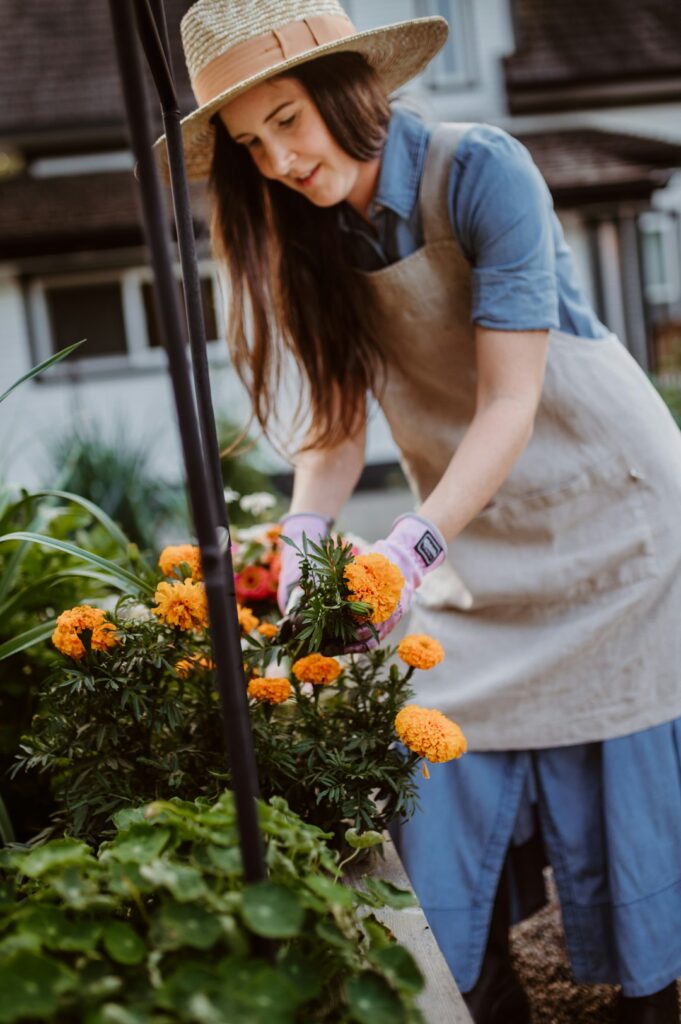
Residents may enjoy planting herbs, flowers, or easy-care vegetables in raised containers. Gardening can be adapted for people who cannot kneel or stand for long periods. Sorting seeds, labeling pots, watering plants, and discussing favorite flowers can be just as meaningful as doing the planting.
Other spring ideas include:
- A window-view birdwatching group using large-print bird guides
- A spring cleaning and organizing discussion focused on household traditions
- Decorating small umbrellas, flowerpots, or paper garden scenes
- A “first signs of spring” photo display
- Light stretching followed by a short supervised walk
- A reminiscence program about school days, spring holidays, or family gardens
Residents who have allergies may need indoor options, and outdoor activities should be scheduled during comfortable parts of the day rather than during periods of high heat or strong pollen.
How can summer activities remain safe and enjoyable?
Summer activities should emphasize hydration, shade, comfortable clothing, and protection from excessive heat. Older adults may become overheated more quickly and may not always recognize thirst, so water breaks should be offered routinely rather than waiting for residents to ask.
Indoor summer activities can include:
- Fresh-fruit tasting with attention to dietary needs
- A music program featuring songs associated with summer
- Simple watercolor painting using outdoor scenes as inspiration
- A travel reminiscence group about memorable vacations
- A “county fair” afternoon with ring toss, trivia, and noncompetitive games
- Making no-bake snacks that follow individual diet instructions
Outdoor programs may include shaded porch visits, container gardening, morning walks, or listening to birds and neighborhood sounds. In a dense community such as Sharpsburg, short outings near familiar public spaces may be more practical than long excursions. A seated activity with a view can provide the benefits of being outdoors without requiring extensive walking.
Staff and families should watch for dizziness, unusual fatigue, confusion, sweating changes, or shortness of breath. These signs may indicate that an activity should stop and the resident should be moved to a cooler setting.
What are helpful fall activities for assisted living residents?
Fall offers opportunities to discuss harvest traditions, changing leaves, family recipes, and preparations for colder weather. Because temperatures can shift from mild to chilly within the same day, outdoor plans are often most comfortable during midday.
Fall activities may include:
- Decorating pumpkins or painted gourds
- Creating a leaf-color collage with artificial or collected leaves
- Comparing family recipes and recording favorite dishes
- Hosting a sweater-themed social hour
- Making seasonal centerpieces with safe, lightweight materials
- Taking a short foliage-viewing ride or sitting outdoors with warm drinks
- Sharing stories about school openings, football traditions, or autumn work
Cooking-related activities require careful planning. Chopping, hot surfaces, small objects, and food allergies can create hazards. Residents can still participate by measuring ingredients, reading recipe cards, folding napkins, or describing how a dish was prepared at home.
Fall is also a useful time to review winter clothing, footwear, and mobility equipment. Outdoor surfaces may become slippery because of rain, fallen leaves, or early frost.
How can winter programs prevent isolation?
Winter activities are especially valuable because shorter days, cold temperatures, snow, and icy conditions can limit outdoor time. A predictable schedule can help residents maintain daily structure and social contact.

Indoor winter programs could include:
- Large-piece puzzles and familiar card games
- Holiday music, storytelling, or poetry
- Knitting, fabric crafts, or simple paper projects
- A hot-drink social hour with caffeine-free choices
- Family-history conversations and memory books
- Indoor walking groups in clear, well-lit hallways
- Window decorating using removable, nonbreakable materials
Holiday activities should respect different beliefs, traditions, and comfort levels. A program can focus on general winter themes, music, light, food, family, or neighborhood memories rather than assuming every resident celebrates the same holiday.
Winter weather can also affect family visits and transportation. Video calls, letters, shared photo albums, and recorded greetings may help residents stay connected when travel is difficult. These alternatives are not replacements for personal visits, but they can reduce the feeling of being cut off from family and friends.
How should activities be adapted for memory loss or limited mobility?
Residents with dementia or other cognitive changes often benefit from familiar, structured activities with a clear beginning and end. The goal is participation and enjoyment, not perfect performance.
Helpful adaptations include:
- Using one-step instructions
- Offering visual examples
- Keeping materials organized and limited
- Repeating familiar songs or routines
- Avoiding correction when a resident approaches a task differently
- Providing hand-over-hand assistance only with consent and appropriate training
- Allowing residents to leave or pause without embarrassment
For residents with limited mobility, activities can be arranged at seated tables or completed with lightweight materials. A resident may participate in gardening by touching herbs, smelling flowers, or choosing which container to water. Someone who cannot join a group walk may still enjoy a window-side nature program or a hallway visit with conversation.
How can families support seasonal engagement?
Families can make activities more personal by sharing photographs, recipes, music, stories, or objects connected to a resident’s past. A short conversation about favorite traditions may provide ideas for future programs.
It can help to tell staff about:
- Activities the resident enjoyed earlier in life
- Foods, scents, or sounds that may cause discomfort
- Religious or cultural traditions the resident values
- Mobility, vision, hearing, or communication needs
- Seasonal anniversaries that may bring sadness or strong memories
The strongest seasonal programs treat residents as contributors, not simply attendees. A resident may lead a song, explain a family recipe, identify a plant, tell a neighborhood story, or help choose decorations. Those roles support dignity and give activities meaning beyond passing the time.
