
What Mental Health Concerns Affect Older Adults in Assisted Living?
Older adults in assisted living communities often face unique mental health challenges, with depression, anxiety, and cognitive decline being most common. In Sharpsburg, PA, residents entering assisted living may experience a range of emotions, from relief and camaraderie to isolation or worry. Life transitions, health conditions, loss of independence, and changes in social ties can all influence mental wellbeing.
In assisted living, some mental health issues are misattributed to "just aging." However, mood changes, confusion, forgetfulness, withdrawal, or sleep disruptions can signal more than normal aging. Local families frequently express concern about loved ones seeming withdrawn or less interested in activities, not realizing these may be treatable symptoms of depression or cognitive decline.
How Does Assisted Living Support Mental Health?
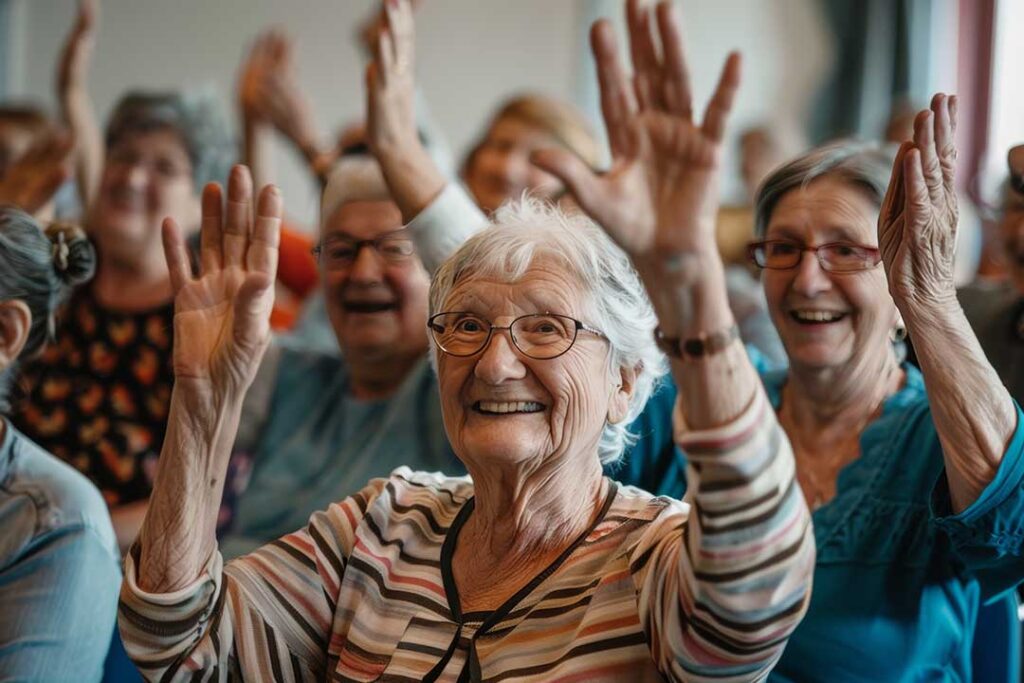
Assisted living communities are designed to provide practical support and social engagement, both of which can protect emotional wellbeing. Staff are usually trained to recognize signs of distress and offer daily reassurance. Most assisted living settings in the area foster:
- Regular routines that give residents structure
- Opportunities for socialization—such as group meals, games, or seasonal events
- Accessible connections to healthcare providers
- Assistance with daily activities, reducing anxiety over self-care
- Physical safety adaptations, which may alleviate fear of injury
Local facilities in Sharpsburg also account for seasonal changes, ensuring indoor gathering spaces and activities remain available during colder months when outdoor walks are less feasible.
What Role Do Families and Friends Play?
Family and social connections remain essential for the mental health of seniors, even after moving to assisted living in Sharpsburg. Residents benefit when loved ones visit regularly, call, or keep them included in family traditions. Personal stories, favorite foods, letters, and small familiar objects can all help maintain continuity and emotional comfort.
Slower schedules and staffing patterns mean some assisted living residents still feel lonely between scheduled activities. Families can bridge these gaps through:
- Weekly check-ins
- Sharing family milestones by phone or mail
- Remembering birthdays, anniversaries, or community holidays together
Open communication with caregiving staff can also help families understand changes in mood, appetite, or memory.
What Are Common Myths About Assisted Living and Mental Health?
A prevalent myth in Sharpsburg is that moving into assisted living causes depression or that declining mental health is an inevitable part of aging. In reality, while the transition can be difficult, many residents report improved wellbeing with access to daily support and social engagement.
Another misconception is that confusion or forgetfulness should always be expected. While some cognitive slowing happens with age, persistent confusion or major personality changes should be evaluated by a qualified medical professional, since early intervention is key.
False assumptions can prevent both seniors and families from seeking help or using available resources to address emotional health.
How Can Residents Advocate for Their Mental Health?
Being proactive can make a difference for those living in assisted environments. Clear self-advocacy often leads to better support from caregivers and peers. Useful strategies include:
- Speaking up about feelings of sadness, worry, or loneliness
- Requesting favorite or meaningful activities in daily programming
- Making specific requests related to physical comfort, such as preferred lighting or seating
- Telling staff or designated contacts about sleep difficulties or appetite changes
Residents with mobility, vision, or hearing challenges may need help communicating their needs, so area families might facilitate regular check-ins or written notes.

What Local Resources Address Mental Health in Assisted Living?
In Sharpsburg, residents may utilize resources such as primary care physicians, geriatric specialists, and community support groups for older adults. While assisted living staff can notice changes, medical professionals should evaluate significant mood or cognitive shifts.
Many residents use:
- Local churches or community centers for spiritual and social support
- Public library activities targeted to seniors
- Local wellness or hobby groups, especially in spring and fall seasons
Area families are sometimes surprised to discover that peer support and small-group connections organized by resident volunteers can be as helpful as formal programs. Opportunities for gentle walks near community parks or virtual visits with out-of-state relatives also play a role in overall emotional wellness.
What Signs Suggest Mental Health Help May Be Needed?
Any resident who becomes increasingly withdrawn, confused, agitated, or loses interest in favorite activities could benefit from a mental health assessment. Warning signs deserving prompt attention include:
- Major changes in mood, such as persistent sadness or irritability
- Sudden changes in personal hygiene or self-care routines
- Expressions of hopelessness or wanting to give up
- Statements about feeling like a burden—or talk of death, even in passing
Local caregivers and family members should not hesitate to advocate for a medical evaluation if these signs appear. While some symptoms are mild and resolve with improved social connections or activity, others require professional support, especially in managing anxiety, severe depression, or memory loss.
How Can the Local Community Foster Senior Mental Wellness?
Neighbors, faith leaders, and community organizations in Sharpsburg can all contribute to a more supportive environment for older adults. Hosting accessible social gatherings, seasonal celebrations, or low-pressure volunteering opportunities helps residents stay connected and valued.
During winter or periods of limited mobility, community newspapers, radio, and digital platforms can promote virtual events, telephone trees, or “pen pal” programs. Even small gestures—like dropping off a card or asking for advice on local history—can give seniors meaningful moments of connection.
Sharpsburg thrives when all residents, regardless of age, have opportunities for social interaction, purpose, and emotional support.
