
Why Are Falls a Major Concern for Older Adults in Sharpsburg, PA?
Falls represent one of the most common risks facing older adults in assisted living environments, with consequences that can range from minor bruises to serious injuries. In Sharpsburg, PA, the mix of older housing stock, winter weather, and varied building layouts means residents and their families often have questions about preventing falls. Understanding why falls happen is the first step toward creating safer living spaces.
Mobility challenges, medications, vision changes, and tripping hazards all contribute to falls. In the city’s historic homes and apartment-style communities, stairs, narrow hallways, and slippery flooring can multiply risks. Even familiar environments can become hazardous, especially with seasonal changes such as ice or rain tracked indoors.
What Are the Most Effective Ways to Make Living Spaces Safer?
The simplest changes often have the biggest impact. Focus first on clear pathways and secure footing throughout living spaces:
- Remove or firmly secure area rugs and runners, which frequently bunch up on hardwood or tile surfaces.
- Arrange furniture so there are wide, straight walkways between commonly used areas — especially bed, bathroom, and kitchen.
- Ensure lighting is bright and consistent, using nightlights in hallways and bathrooms for nighttime safety.
- Keep items used daily at waist or shoulder height to avoid using stepstools or bending over.
- Repair or cover uneven thresholds, loose floorboards, and shifting transition strips, which are common in older houses and buildings in the region.
Residents may also benefit from grab bars near toilets, showers, or stairs, and non-slip mats, especially in bathrooms and where outside steps may become wet from weather.
How Can Residents Reduce Slipping Hazards, Especially with Local Weather?
Slips inside and outside buildings are common during late fall, winter, and early spring. In Sharpsburg, keeping walkways clear of ice, snow, and wet leaves is a regular task.
Inside, place sturdy mats with non-skid backing at each entry point to catch snow or moisture on shoes and assist in drying feet. Shake out and wash mats regularly; dirty or loose mats can themselves become a hazard. For buildings with shared entrances or halls, speak with property managers about maintaining dry, grit-free floors and using handrails on steps and ramps.
Outside, community members usually watch for icy patches on public and private sidewalks. Rock salt, sand, or pet-safe deicers help provide traction during freeze-thaw cycles, which are unpredictable in this region. Residents should check for and quickly address water pooling or icy sections near building entrances.
What Personal Habits Lead to Fewer Falls in Assisted Living?
Daily routines and choices have a significant impact on fall prevention. Simple habits can increase safety in individual apartments and shared spaces.
- Wearing sturdy, closed-back shoes with non-slip soles inside and outside (soft slippers and socks often increase fall risk).
- Pausing before standing up, especially after sitting for long periods or when waking up at night.
- Using mobility aids as prescribed, making sure they’re correctly sized and not worn or damaged.
- Bringing needed items (phone, medications, glasses) within easy reach to avoid hurrying or stretching.
- Staying hydrated and well-nourished, as dehydration and skipped meals can lead to dizziness.
- Scheduling routine vision checks; outdated prescriptions and low lighting can combine to make hazards harder to see.
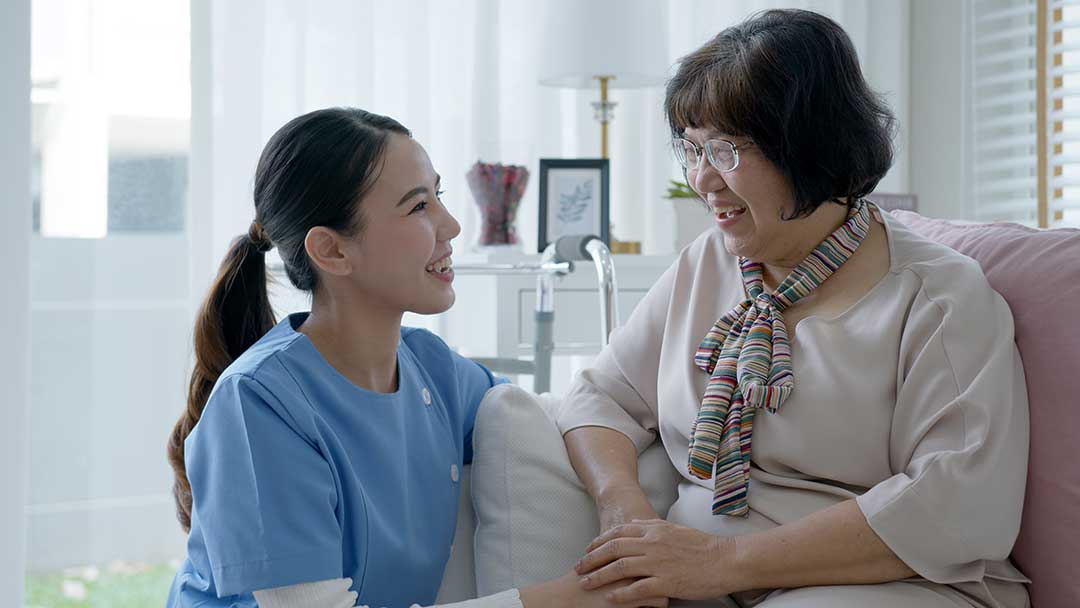
Family and caregivers should support these habits by gently pointing out risks without rushing or scolding, and by modeling the same habits around loved ones.
Are There Special Fall Risks in Local Assisted Living Buildings?
Many assisted living settings in Sharpsburg feature buildings with features that present unique challenges — such as narrow staircases, older tile floors, and heavy doors. Residents with walkers or canes should avoid carrying items in their hands so they can maintain a secure grip. Spring rain and winter ice often make building entryways slippery.
Some buildings are equipped with elevators, but reliability can vary in structures adapted from older homes. It’s wise for residents and families to ask about elevator maintenance schedules, emergency lighting in stairwells, and where to find railings if elevator access is interrupted.
For those living on upper floors, keeping entryways free from umbrellas, boots, and other personal items reduces tripping risks when entering or exiting. In communal living, cooperation between neighbors helps keep shared spaces tidy and safe.
What Are Common Misconceptions About Fall Prevention?
Many believe that only frail or medically complex residents are at high risk, but falls can happen to anyone—especially during transitions, such as moving between a bed and a chair, reaching for a cupboard, or adjusting to new medications. Others may believe using mobility aids signals loss of independence, when in fact they enable safer, longer-term autonomy.
Another misconception is that once a home is “fall-proofed,” no further attention is needed. In reality, changes in health, medications, or the environment (such as new furniture or temporary clutter) mean ongoing attention is necessary.
How Can Residents Prepare for Seasonal Hazards Unique to the Area?
Sharpsburg experiences all four seasons, each bringing its potential risks:
- Winter: Snow and ice buildup increase risks at entryways, driveways, and inside hallways.
- Spring: Rain leads to slippery sidewalks and lobby floors.
- Fall: Fallen leaves and earlier darkness create tripping and visibility issues.
- Summer: Light changes as sun angles shift, making it important to check window coverings for reducing glare indoors.
Residents can prepare by adjusting their daily routines—such as checking weather before scheduling outings, or reviewing entryway safety after each change of season. Those unsure about local building maintenance schedules can ask managers about plans for salting, sweeping, or cleaning public areas.
